Near and Middle Eastern Art

MAG’s collection of Near and Middle Eastern art holds important examples of ancient sculpture from Assyria and Persepolis and bronze sculpture from Luristan, as well as rich examples of illuminated manuscripts and ceramics produced across the Islamic world.

Highlights
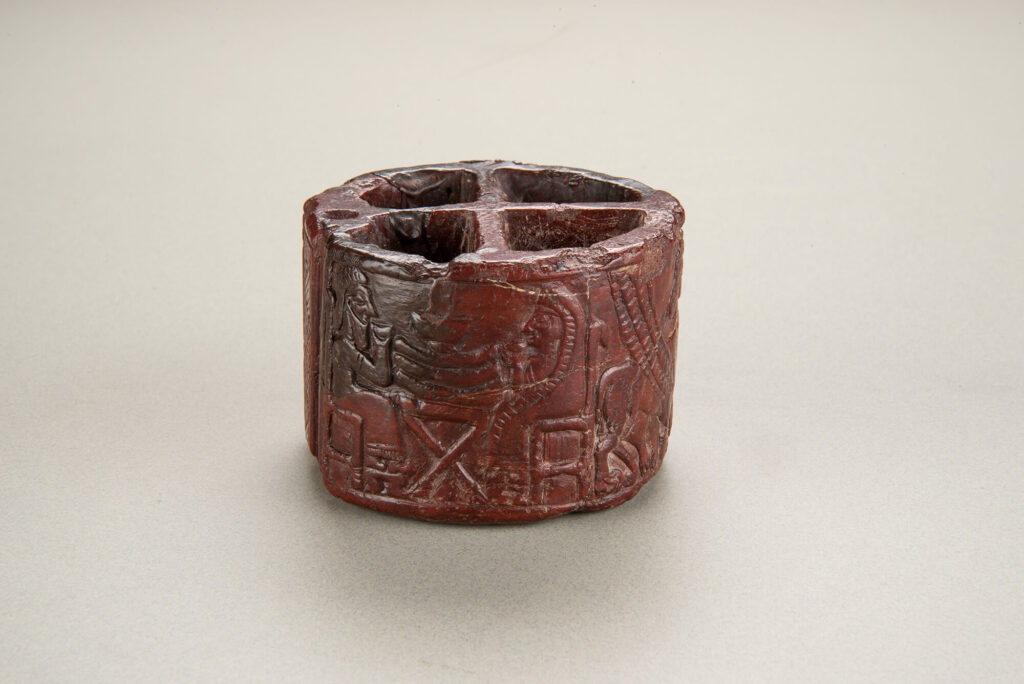
Red stone toiletry box engraved with animals, natural and mythological.
Pyxis (Toiletry Box), 899 BCE – 700 BCE
Syrian artist
Red porphyry. R. T. Miller Fund, 1949.14
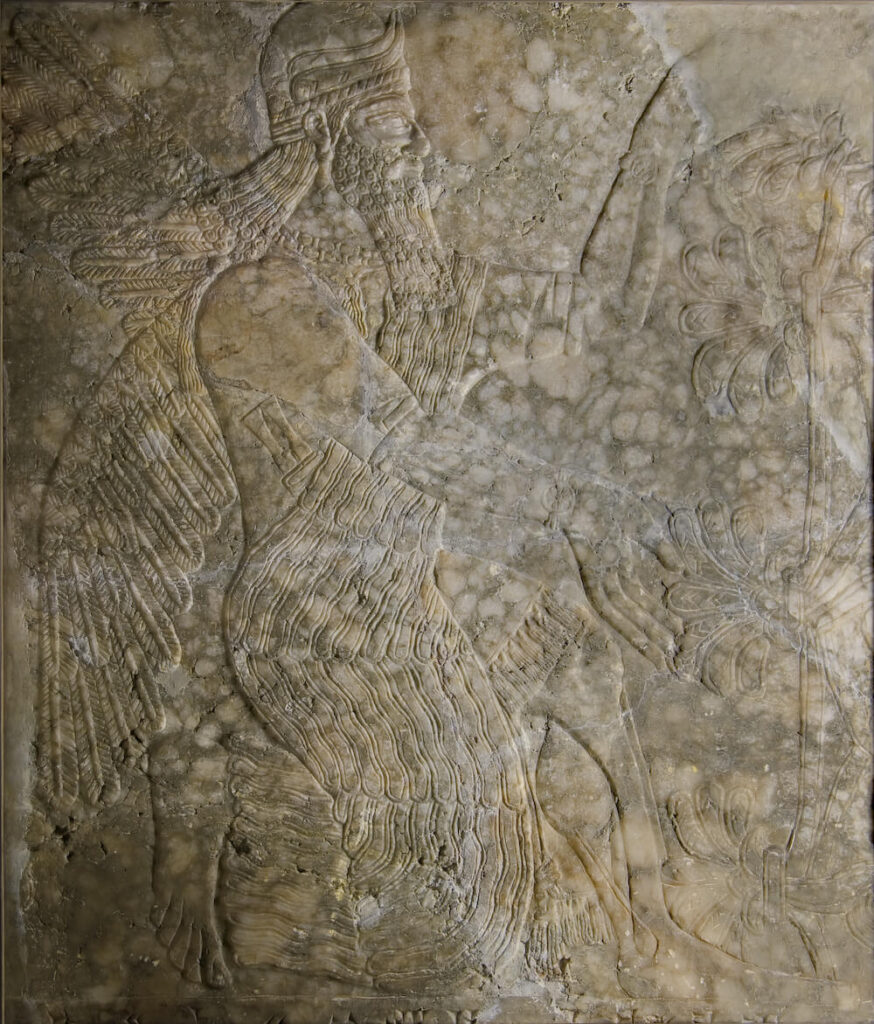
Relief of a winged figure wearing a helmet and carrying a dagger.
Winged Genius, ca. 865 BCE-860 BCE.
Assyrian artist
Alabaster. R. T. Miller Fund, 1944.10
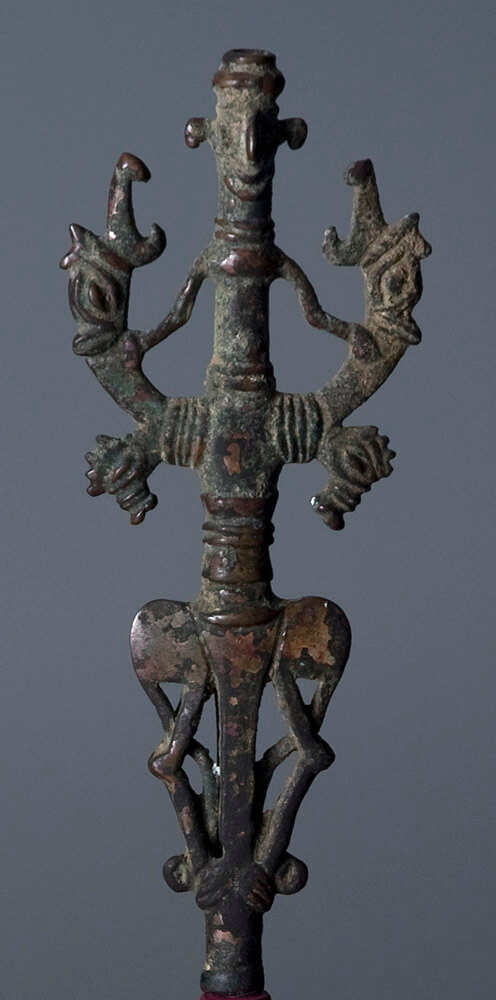
A decorative finial depicting a man, his outstretched arms grasping the neck of a two-headed chimera.
Master of Animals Finial, 1100 BCE-700 BCE
Iranian artist
Bronze. R. T. Miller Fund, 1948.5
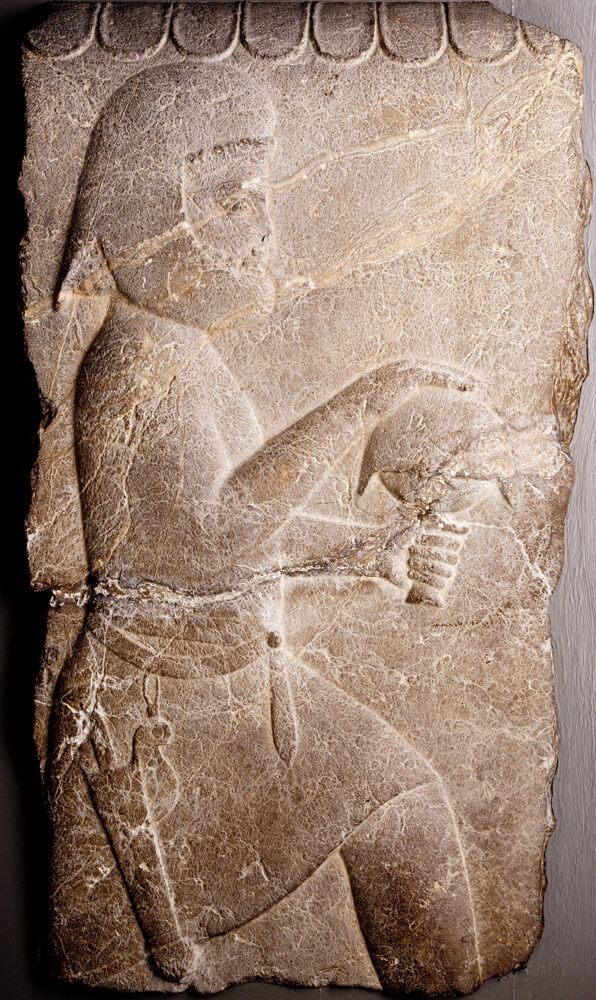
Carved relief of a man in Persian costume ascending a staircase with a tribute gift.
Tribute Bearer , ca. 650 BCE-330 BCE
Persian artist
Limestone. R. T. Miller Fund, 1944.1
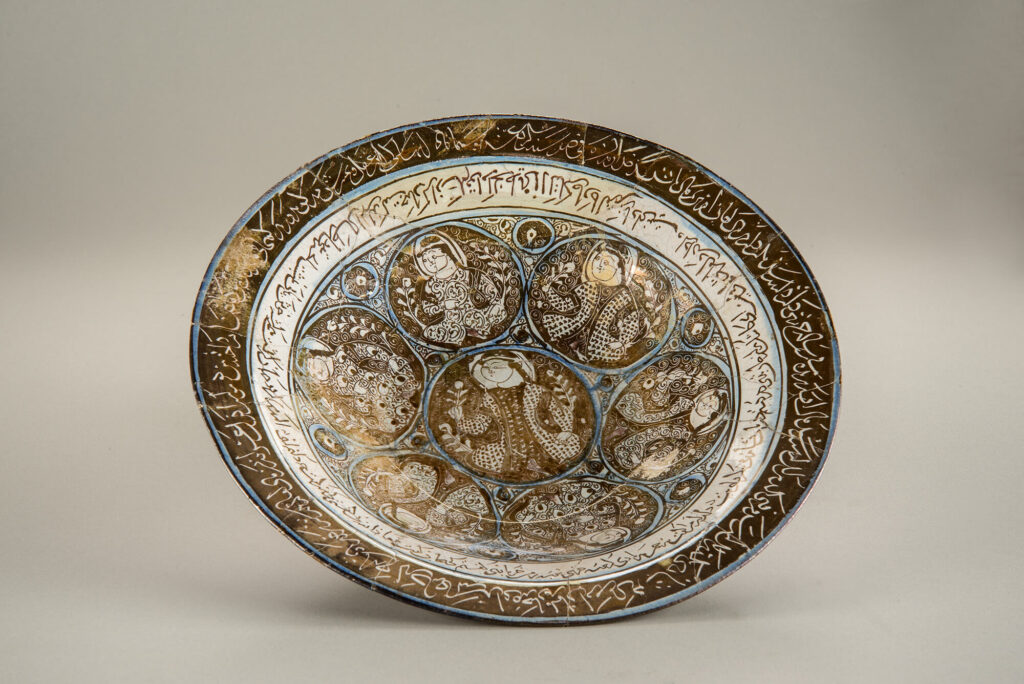
Lustre glazed ceramic bowls with an Arabic inscription surrounding roundels with figures in them.
Bowl, 1200-1299
Persian artist
Glazed ceramic. R. T. Miller Fund, 1952.11
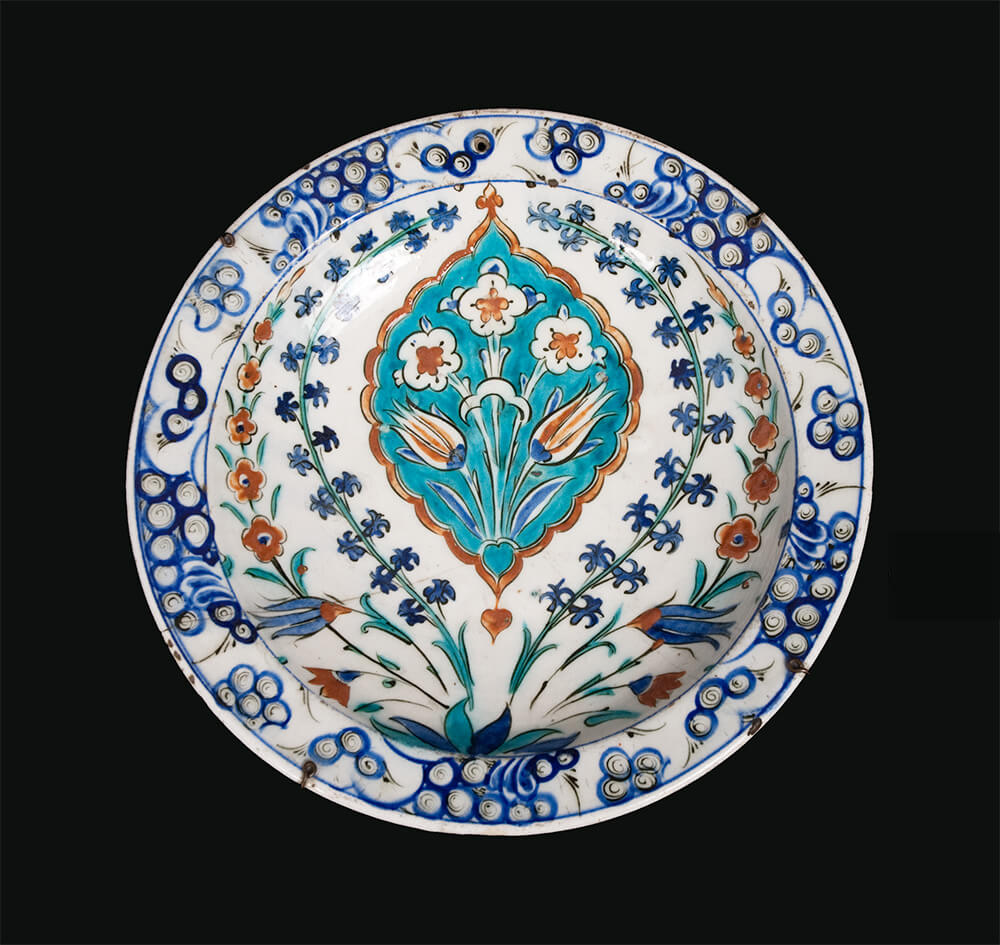
A glazed ceramic plate with blue, teal, and red floral decorations.
Plate, 1500-1599
Turkish artist
Painted and glazed terracotta. Marion Stratton Gould Fund, 1979.91
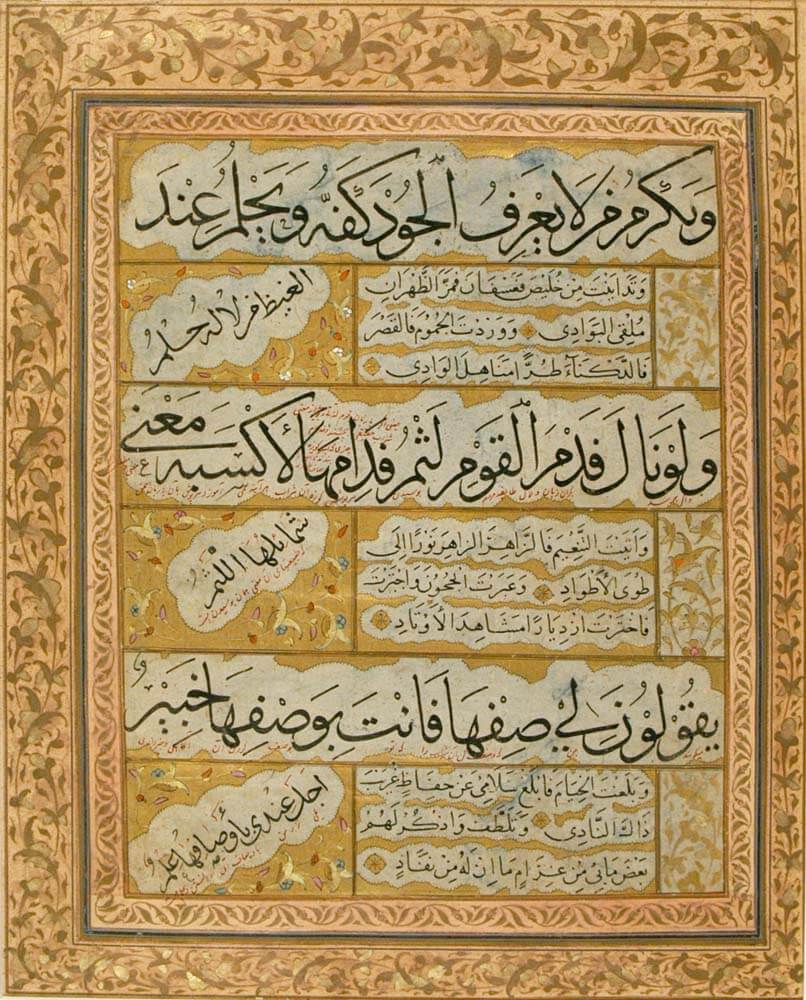
Illuminated manuscript with verses of poetry in Arabic calligraphy.
Leaf from a Manuscript of Poetry by Umar Ibn al-Farid
Persian artist
Watercolor, ink and gold on paper. The C. Herbert Ocumpaugh Collection, 1928.317
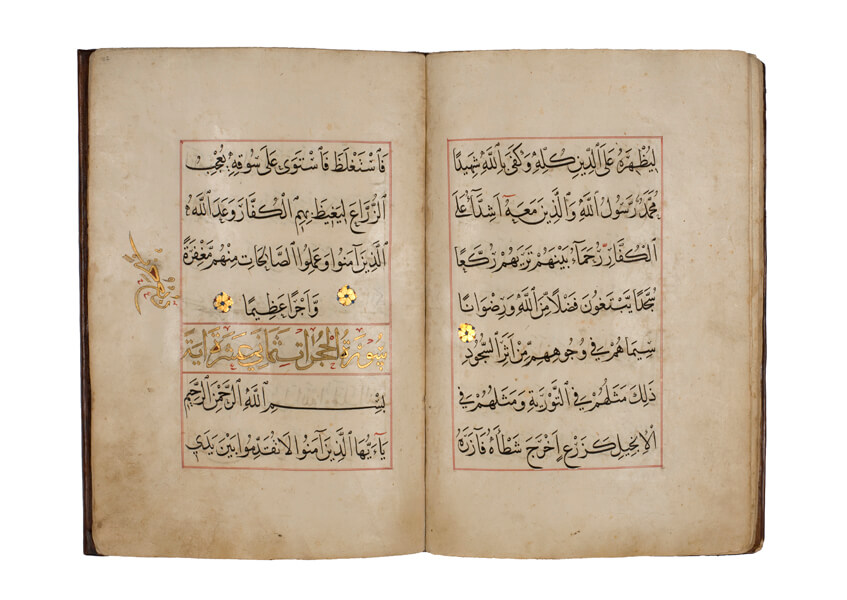
Pages of a Qur'an with Arabic calligraphy and illuminations in gold.
Section from a Qur’an endowed by Sultan Qansuh al-Ghawri, Cairo, Mamluk, Egypt, Late 15th Century
Egyptian artist
Leather bound book with calligraphy, gold and color. The Marie Adelaide Devine Fund, 2008.69. Photo courtesy Sam Fogg Ltd.

More to Explore