Melting Animals: Program 1
December 7–21, 2020
Streamed Online
Melting Animals is a family-friendly selection of animated short films aimed at children and young people. Featuring handmade and digital animation from around the world, this virtual program at MAG will inspire younger audiences through the mind-expanding experience of cinema. This is your invitation to explore the magic of the natural world using everyday objects, rhythms, and textures. Melting Animals is a creative tool that offers a variety of simple techniques that we hope will motivate you to experiment at home.
Films Included
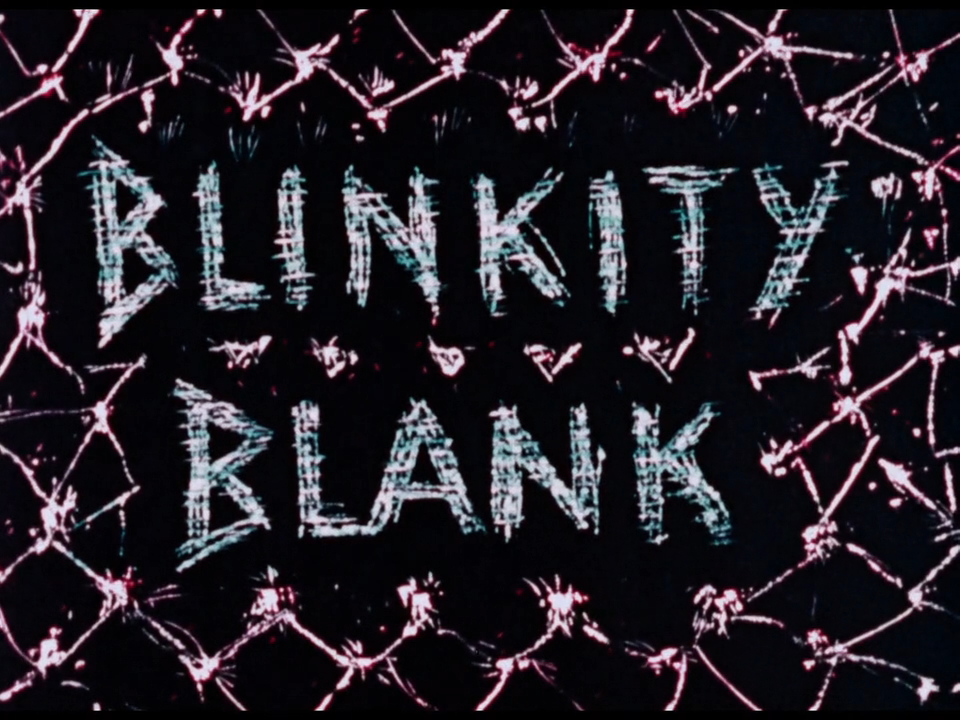
Blinkity Blank
Norman McLaren | Canada | 5:00 | 1955
This experimental short film by Norman McLaren is a playful exercise in intermittent animation and spasmodic imagery. Playing with the laws relating to persistence of vision and after-image on the retina of the eye, McLaren engraves pictures on blank film creating vivid, percussive effects.
SEA SONG
Richard Reeves | Canada | 4:15 | 1999
This animated film flows through a vibrant underwater landscape, shown at night time. Sound and picture are drawn directly on film – cameraless animation.
SHORELINES
Al Jarnow | USA | 3:12 | 1977
Staging “natural souvenirs”—seashells, stones, sticks, strands of seaweed—in hypnotic, gently pulsing animations, this film is a paean to magical hours spent idly on the shore: imaginary kingdoms and elaborate games, abandoned when the tide rolls in. “Instead of showing the sea itself,” wrote William Costanzo in Film Library Quarterly, “the camera evokes the sounds, smells, shapes and textures of ocean life with a playful and imaginative assembly of sea-spawned memorabilia.”
MOTH
Allison Schulnik | USA | 3:15 | 2019
MOTH is a traditionally animated, hand painted, gouache-on-paper film. The constantly evolving insect transforms into larvae, serpents, other brightly colored moths, and a human to the song Gnossienne No. 1 by Erik Satie, performed by Nedelle Torrisi. MOTH seeded and bloomed from the simple act of a moth hitting Schulnik’s studio window and continues as “a wandering through the primal emotions of birth, motherhood, body, nature, metamorphosis and dance.”
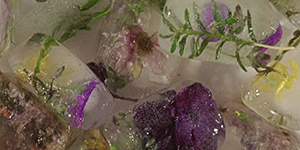
WASTELAND NO.2: HARDY, HEARTY
Jodie Mack | USA | 6:40 | 2019
“Can it be true,” said the first leaf, “can it really be true, that others come to take our places when we’re gone and after them still others, and more and more?” “It really is true,” whispered the second leaf. “We can’t even begin to imagine it, it’s beyond our powers.” “It makes me very sad,” added the first leaf. They were very silent a while.” (Bambi, a Life in the Woods (1923) Felix Salten)
This video contains strobe effects and rapidly flashing lights. Warning to those who are sensitive.
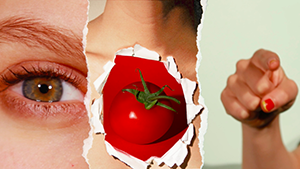
TOMATO
Caitlin Craggs | USA | 2:43 | 2015
A juicy moving picture about words, history, and a beloved, often overlooked fruit. TOMATO is the first in a series of bite-sized, visually funny films that reconsider some of the most humble and ubiquitous foods on our plate— the ways we define and consume them, and also how those foods might be defining us.
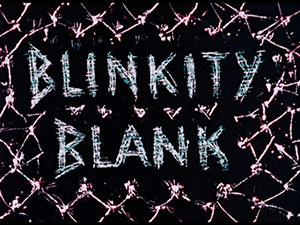
Norman McLaren
5:00. Courtesy of the National Film Board of Canada
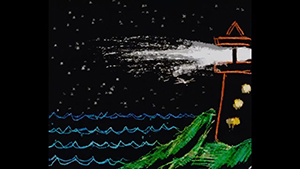
Richard Reeves
4:15. Courtesy of the Canadian Filmmakers Distribution Centre
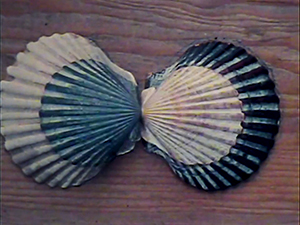
Al Jarnow
3:12. Courtesy of the artist
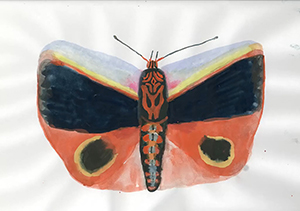
Allison Schulnik
3:15. Courtesy of the Artist and P·P·O·W, New York
Jodie Mack
6:40. Courtesy of the artist
Caitlin Craggs
2:43. Courtesy of the artist
Thank you to the Art Bridges Foundation for their funding of this educational outreach program. The Memorial Art Gallery is extremely grateful for the National Film Board of Canada’s generous in-kind support.